


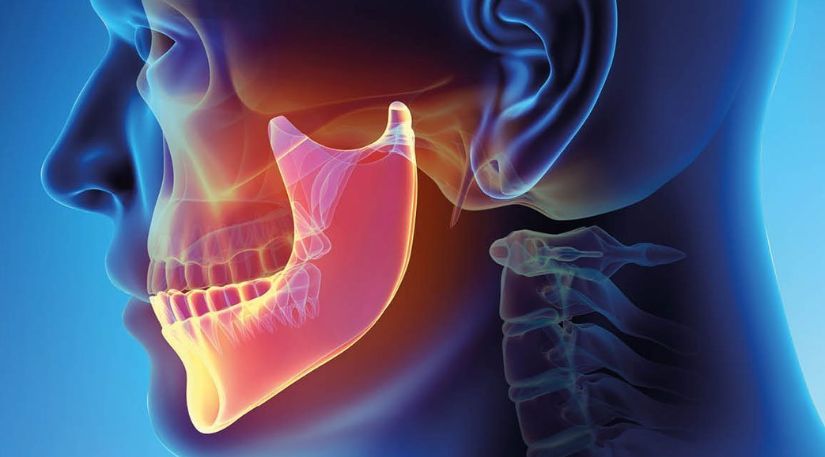
Jaw reconstruction surgery is a complex procedure that can significantly improve your quality of life, especially if you're dealing with issues like facial trauma, birth defects, or jawbone loss. Let's break down the process in simple terms so you can understand what to expect.
What is Jaw Reconstruction Surgery?
Orthognathic surgery, or jaw surgery, is a procedure to align your upper jaw (maxilla) and lower jaw (mandible). If your jaws are misaligned, it can impact your ability to bite, eat, and speak. Orthognathic surgery is not a one-time event; it involves undergoing orthodontic treatment to prepare your teeth for the jaw surgery, the surgical procedure itself, recovery, and then further orthodontic therapy for up to a year after the surgery.
The Jaw Reconstruction Surgery Process
- Consultation with the Surgeon
- Assessment: The surgeon will evaluate your jaw, take X-rays or CT scans, and discuss your medical history.
- Planning: A detailed plan is made to address the specific issues with your jaw.
- Preparation
- Health Check: Before surgery, you'll undergo a thorough health check to ensure you're fit for the procedure.
- Pre-Surgery Instructions: Your surgeon will give you eating, drinking, and medication guidelines.
- The Surgery
- Anesthesia: You'll be given general anesthesia, so you won't feel any pain during the surgery.
- Surgery: Incisions are made in the mouth; sometimes, the cheeks and jaw are moved into a new position. The jaw is then secured with plates and screws.
- Jaw Reshaping: The surgeon will reshape the jawbone to its correct form.
- Implants: In some cases, implants may be placed to support future dental work.
- Recovery
- Hospital Stay: You might need to stay in the hospital for a few days after surgery.
- Pain Management: Pain and swelling are common but can be managed with medication.
- Diet: You'll need to stick to a soft or liquid diet while your jaw heals.
- Follow-Up: Regular check-ups are essential to monitor your progress.
- Long-Term Care
- Physical Therapy: Exercises may be necessary to regain full jaw function.
- Dental Care: Maintaining oral hygiene is crucial to prevent infection and ensure the success of implants.
- Lifestyle Changes: Quitting smoking and eating a balanced diet can support your recovery.
Different Types of Jaw Reconstruction Surgery
- Maxillary Osteotomy
Surgery on the upper jaw to correct alignment issues. The surgeon corrects an upper jaw that sticks out too much or too little or treats an open bite or crossbite.
- Mandibular Osteotomy
Surgery on the lower jaw to correct its position. The surgeon corrects a lower jaw that sticks out too much or too little.
- Bimaxillary Osteotomy
Surgery on both upper and lower jaws to correct alignment. Combines techniques from maxillary and mandibular osteotomy, often planned using 3-D modeling.
- Genioplasty
This corrective chin surgery is commonly done alongside a mandibular osteotomy to reshape the chin and enhance the overall facial balance.
- TMJ Surgery
Surgery for temporomandibular joint (TMJ) issues, with options including:
- Arthrocentesis: Minimally invasive fluid injection to lubricate the joint.
- Arthroscopy: Insertion of a scope and tools through a small tube for joint surgery.
- Open Joint Surgery: Incision near the ear for more invasive joint repair or replacement.
Benefits of Jaw Surgery
Jaw surgery offers various advantages, such as
- Jaw surgery enhances jaw functionality for easier biting and chewing.
- Jaw surgery can alleviate obstructive sleep apnea by improving airway function, leading to better breathing.
- Jaw surgery can enhance facial balance and contribute to a more youthful appearance.
- It can relieve pain associated with jaw problems like temporomandibular joint (TMJ) disorder.
- By correcting swallowing or speech issues, jaw surgery can improve speech and swallowing.
- Jaw surgery can minimize excessive wear and breakdown of teeth, reducing tooth wear.
- This type of surgery is effective in repairing facial injuries and birth defects.
- Jaw surgery can also address bite fit or jaw closure issues, such as an open bite, leading to an improved bite.
Jaw reconstruction surgery is a significant step that can enhance your life by restoring function and improving appearance. While the process may seem daunting, understanding the steps can help you feel more prepared. Always discuss any concerns with your surgeon and follow their advice for a smooth recovery.
Please remember that every case is unique, so your experience may vary. However, with the right care, jaw reconstruction surgery can lead to a healthier and happier you. If you want to learn more about jaw reconstruction surgery, visit Dr. Ghire's dental clinic for jaw reconstruction surgery in Aurangabad.